27-61-539-1009
1 Groom Street
Kokstad, South Africa
Mon - Friday 9:00 - 17:00
Plumber Tools
Are you a DIY enthusiast or a professional plumber looking to expand your tool collection? In this article, we will delve into the world of plumber tools and explore some essential equipment that every plumber should have. From wrenches to pliers, pipe cutters to Teflon tape, we will cover all the necessary tools needed for various plumbing tasks.
When it comes to tightening and loosening pipes and fittings, wrenches are an absolute must-have. These versatile tools come in different sizes and designs, allowing you to tackle any plumbing job with ease. Pliers, on the other hand, are indispensable for gripping and turning pipes and fittings. With their strong jaws and adjustable settings, they provide optimal grip strength for even the toughest tasks.
For precise pipe cutting, pipe cutters are essential. Designed to cut through different types of pipes effortlessly, these tools ensure clean and accurate cuts every time. To create secure watertight seals on threaded connections, Teflon tape is a must-have item in any plumber’s toolkit. This thin yet sturdy tape provides excellent sealing properties when wrapped around threaded pipes and fittings.
Clogs happen from time to time in toilets, sinks, or drains. That’s where plungers come into play. With their rubber suction cups at one end and long handles on the other end, plungers are effective in clearing clogs by generating pressure changes in the pipes.
In addition to these basic tools mentioned above, there are specialized tools like pipe wrenches for large pipes and fittings, pipe threaders for creating threaded connections easily, pipe benders for shaping pipes precisely according to specific angles or curves.
Lastly but not least important: torches alongside soldering supplies like flux paste or solder wire which enable plumbers join copper pipes securely together using heat-based methods such as soldering.
By having these essential plumber tools at your disposal, you can confidently tackle any plumbing project that comes your way whether it’s fixing a leaky faucet or installing a new plumbing system. So, let’s dive into the world of plumber tools and equip yourself with the knowledge to tackle any plumbing challenge!
Key Takeaways
Plunger with a soft rubber flap is essential for creating a tight seal and effectively unclogging drains.
A snake or auger is necessary for tackling stubborn clogs deep within pipes.
Regular maintenance and preventative measures can help prevent clogs and minor plumbing issues.
Pipe wrenches, with their jaw, handle, and head components, are indispensable for gripping and turning large pipes and fittings.
Wrenches: Essential for tightening and loosening pipes and fittings
Wrenches are the go-to tool for easily tightening and loosening pipes, making them an absolute must-have for any plumber. To ensure that your wrenches are always in top condition, regular maintenance is key. This includes cleaning them after each use to remove any dirt or debris that may have accumulated. Additionally, it’s important to inspect the jaws of the wrench for any signs of wear or damage and replace them if necessary. Proper wrench technique is also crucial to prevent damage to pipes and fittings. Always make sure to position the wrench correctly on the nut or bolt, ensuring a secure grip before applying force. Avoid using excessive force as this can lead to stripped threads or even breakage.
Now let’s move on to pliers, another essential tool in a plumber’s arsenal. Pliers are primarily used for gripping and turning pipes and fittings that cannot be easily manipulated by hand alone. They come in various types such as slip-joint pliers, tongue-and-groove pliers, and adjustable pliers, each with its own specific uses and advantages. Just like with wrenches, proper technique is crucial when using pliers to avoid damaging the materials you’re working with. Always select the appropriate size of pliers for the task at hand and ensure a firm grip before applying any pressure. With these tools at your disposal, you’ll be well-equipped to handle any plumbing job efficiently and effectively.
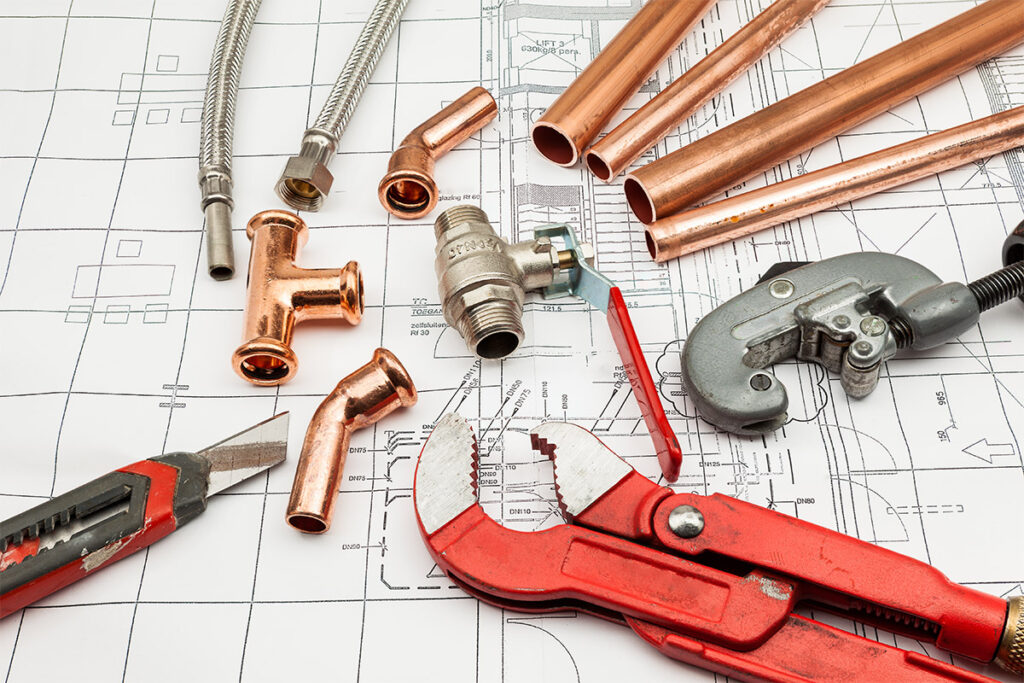
Pliers: Used for gripping and turning pipes and fittings
Pliers, perfect for getting a firm hold on pipes and fittings, make the work of any handyman easier. When it comes to plumbing tasks, having the right type of pliers can make all the difference. There are several different types of pliers that are commonly used in plumbing work. The most common type is the adjustable pliers, also known as slip-joint pliers. These versatile tools have an adjustable jaw that allows them to grip pipes and fittings of various sizes. Another type of pliers often used by plumbers is called tongue and groove pliers or channel-lock pliers. These have a set jaw size and are ideal for gripping large pipes and fittings with extra force.
To ensure proper technique when using pliers, there are a few key points to keep in mind. First, always choose the appropriate size of pliers for the job at hand. Using oversized or undersized pliers can lead to slipping or damaging the pipes and fittings. Additionally, it’s important to grip the pipe or fitting securely but not too tightly as excessive force can cause damage as well. When turning a pipe or fitting with pliers, be sure to turn in a clockwise direction to avoid loosening any connections inadvertently.
Moving on to our next topic about pipe cutters: designed to cut through different types of pipes with precision…
Pipe Cutters: Designed to cut through different types of pipes with precision
When it comes to cutting through different types of pipes with precision, you’ll find pipe cutters to be an invaluable tool in your arsenal. These specialized tools are designed to make clean and accurate cuts on various pipe materials such as copper, PVC, and steel. Here are three sub-lists that paint a vivid picture of the capabilities of pipe cutters:
-
Effortless Cutting: Pipe cutters feature sharp cutting wheels that effortlessly slice through pipes without much force from you. This makes them ideal for tasks where you need to make quick and precise cuts.
-
Pipe Insulation: One important aspect of working with pipes is ensuring proper insulation. Pipe cutters allow you to easily trim pipe insulation without damaging the underlying material, helping you maintain energy efficiency and prevent heat loss or gain in your plumbing system.
-
Pipe Reamer: After making a cut with a pipe cutter, it’s crucial to smooth out the rough edges for a secure connection. Many pipe cutters come equipped with an integrated reaming tool that allows you to deburr and chamfer the inside and outside edges of the pipe, ensuring a clean finish.
With their ability to make precise cuts, handle insulation efficiently, and provide smooth finishes using built-in reamers, it’s no wonder that pipe cutters are considered essential tools in any plumber’s toolbox. Now let’s move on to discuss another indispensable item: teflon tape—a must-have for creating watertight seals on threaded connections
Teflon Tape: A must-have for creating watertight seals on threaded connections
For a foolproof way to create watertight seals on threaded connections, you’ll definitely want to have Teflon tape in your toolbox. This thin, white tape is made from polytetrafluoroethylene (PTFE) and is specifically designed to be wrapped around the threads of pipes and fittings. When applied correctly, Teflon tape acts as a lubricant that allows for easy tightening of connections while creating a tight seal that prevents leaks.
One of the advantages of using Teflon tape is its versatility. It can be used with various types of pipes, including metal and plastic, making it an essential tool for any plumber. Additionally, Teflon tape is resistant to both water and chemicals, ensuring that the seal remains intact over time. However, if you find yourself without Teflon tape or prefer alternatives, pipe dope or thread sealant can also be used effectively.
When it comes to choosing the best brand of Teflon tape for your plumbing needs, there are several reputable options available in the market. Some popular brands include Oatey, Hercules, and Rectorseal. These brands offer high-quality tapes that are durable and provide excellent sealing properties.
Moving on to the next section about plungers used to clear clogs in toilets sinks and drains…
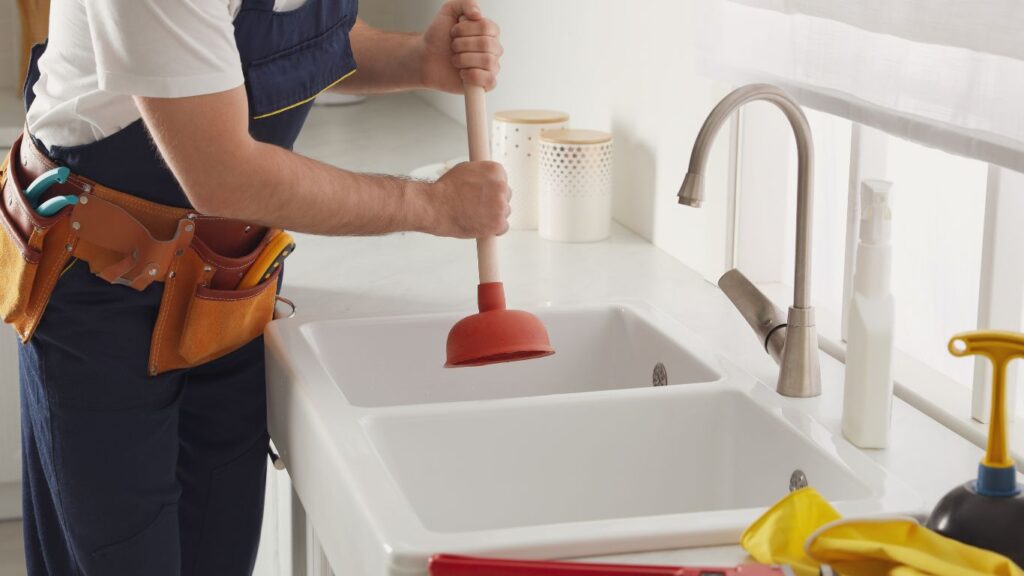
Plunger: Used to clear clogs in toilets, sinks, and drains
Having a clogged toilet, sink, or drain can be a frustrating experience, but luckily there’s a simple tool that can come to the rescue: the plunger. This essential plumbing tool is designed to create pressure and suction to dislodge clogs and restore proper flow. To ensure your plunger is always ready for action, regular maintenance is key. After each use, rinse off any debris and sanitize the rubber cup using warm soapy water. This will prevent the spread of bacteria and keep your plunger in good condition.
When it comes to choosing the right plunger for the job, there are a few factors to consider. The most common type of plunger is the cup plunger, which has a rubber suction cup attached to a wooden or plastic handle. Cup plungers are versatile and effective for most household clogs. However, for toilets specifically, it is recommended to use a flange plunger. This type of plunger has an additional soft rubber flap that fits snugly into the toilet drain opening, creating an even tighter seal.
Transitioning into the subsequent section about ‘snake or auger: ideal for removing stubborn clogs deep within pipes’, you may encounter situations where a standard plunger isn’t sufficient to clear tough clogs deep within the pipes. In such cases, you’ll need another powerful tool at your disposal – the snake or auger – capable of tackling those stubborn blockages with ease.
Snake or Auger: Ideal for removing stubborn clogs deep within pipes
To tackle those tough, deep clogs in your pipes, you’ll want to grab a snake or auger – the powerful weapons in your DIY arsenal. These tools are specifically designed to reach deep within your pipes and remove stubborn clogs that a plunger may not be able to handle. Here are some ideal techniques for preventing clogs in pipes and effective DIY solutions for minor plumbing issues:
Regularly pour hot water down your drains to flush away any buildup.
Use drain screens or strainers to catch hair, soap residue, and other debris before they enter the pipes.
Avoid pouring grease or oil down the drain as they can solidify and cause blockages.
Consider using enzymatic drain cleaners that break down organic matter without damaging the pipes.
By following these preventive measures, you can minimize the chances of encountering deep clogs. However, if you do find yourself facing a stubborn clog, a snake or auger is your best bet for clearing it out effectively.
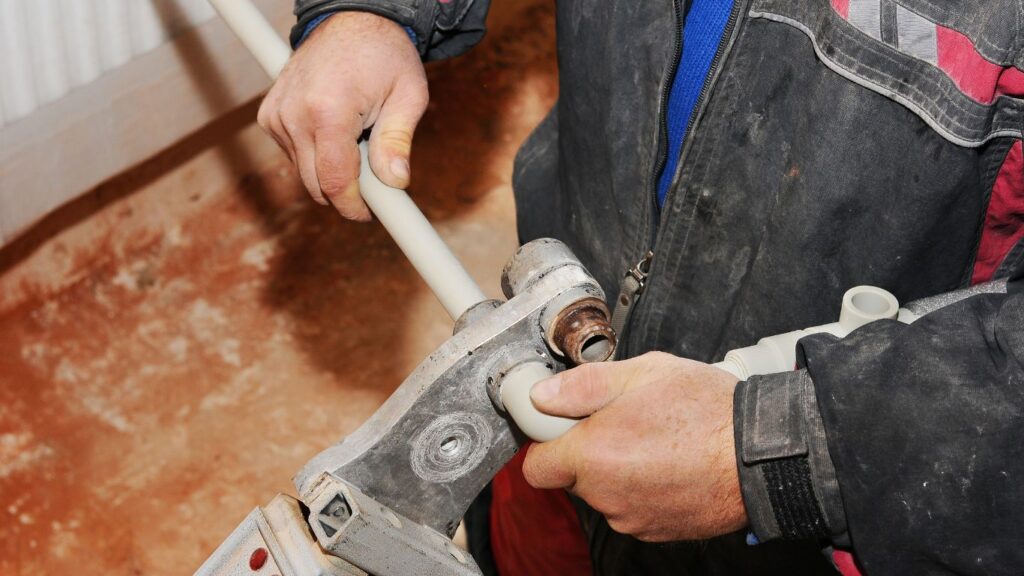
Moving on to the next tool in our plumber’s toolkit: the pipe wrench. This versatile tool is specifically designed to grip and turn large pipes and fittings with ease. With its adjustable jaws and sturdy construction, a pipe wrench allows you to securely tighten or loosen threaded connections without causing damage.
Pipe Wrench: Specifically designed to grip and turn large pipes and fittings
The pipe wrench, a reliable and essential tool in any DIY enthusiast’s arsenal, is specifically designed to provide a secure grip and effortless turning of large pipes and fittings. It plays a crucial role in pipe inspection and repairs, allowing you to easily remove or tighten connections without damaging the pipes. The design of the pipe wrench consists of an adjustable jaw that can be tightened around the pipe or fitting, providing a firm grip. This ensures that you have full control over the pipe, even when dealing with stubborn or rusted connections.
To give you a better understanding of how the pipe wrench works, let’s take a closer look at its components:
Component | Description |
Jaw | Adjustable part of the wrench that grips onto the pipe or fitting securely. |
Handle | Long lever arm for applying force to turn or loosen/tighten pipes and fittings. |
Head | Part of the wrench where the jaw is attached; it provides stability while using the tool. |
With this information in mind, you can see how the pipe wrench is an indispensable tool for any plumbing project involving large pipes and fittings. Its ability to provide a strong grip and effortless turning makes it ideal for both inspecting pipes and performing repairs. Now let’s dive into another critical tool used in plumbing: the pipe threader, which allows you to create threaded connections for pipes and fittings seamlessly.
Pipe Threader: Used to create threaded connections for pipes and fittings
Imagine effortlessly creating threaded connections for pipes and fittings with a tool that simplifies your DIY plumbing projects – the pipe threader. This versatile tool is a must-have for any plumber or DIY enthusiast, allowing you to create secure and reliable connections with ease. Here are three key features of the pipe threader:
Efficiency: The pipe threader eliminates the need for tedious hand-threading by automating the process. With just a few simple steps, you can quickly create threaded connections that fit perfectly together, saving you time and effort.
Precision: Achieving precise threads is crucial for ensuring leak-free connections in plumbing systems. The pipe threader guarantees accuracy by providing consistent threading throughout the entire length of the pipe, resulting in tight and durable joints.
Versatility: Whether you’re working with steel, copper, or plastic pipes, the pipe threader can handle them all. It offers compatibility with various sizes and types of pipes, giving you flexibility in your projects.
When it comes to creating threaded connections for pipes and fittings, there are alternatives to using a pipe threader such as manual threading tools or pre-threaded pipes. However, these options may not provide the same level of efficiency and precision as a dedicated pipe threader. Now let’s move on to discussing another essential tool in a plumber’s arsenal – the pipe bender – which is essential for shaping pipes to fit specific angles and curves seamlessly.
Pipe Bender: Essential for shaping pipes to fit specific angles and curves
Get ready to effortlessly shape pipes to fit specific angles and curves with a versatile tool that brings your DIY plumbing projects to life – the pipe bender. Whether you’re a professional plumber or a do-it-yourself enthusiast, mastering pipe bending techniques is essential for achieving precise and custom-fit installations. The pipe bender allows you to bend pipes without causing any damage or compromising their structural integrity. With this powerful tool in your arsenal, you’ll be able to tackle even the most challenging plumbing projects with ease.
To help you understand the different types of pipe benders available, here’s a handy table outlining their key features:
Type of Pipe Bender | Description |
Manual Pipe Bender | This type requires physical force from the user to bend the pipes. It is lightweight and portable, making it ideal for small-scale projects. However, it may not be suitable for heavy-duty applications. |
Hydraulic Pipe Bender | With hydraulic power, this type of pipe bender can handle larger diameter pipes and heavy-duty jobs. It offers precise control and consistent results but may require more effort during setup and operation. |
Electric Pipe Bender | Designed for efficiency and convenience, an electric pipe bender operates with minimal manual effort. By simply adjusting settings on the machine, you can achieve accurate bends quickly and easily. |
Torch and Solder: Necessary for soldering and joining copper pipes together
Using a torch and solder is crucial for seamlessly soldering and joining copper pipes together, ensuring a secure and leak-free plumbing system. When working with a torch, it is essential to prioritize safety. Always wear protective goggles to shield your eyes from sparks or hot metal particles. Additionally, make sure your work area is well-ventilated to prevent the accumulation of flammable gases. Before starting, double-check that there are no nearby flammable materials that could ignite during the soldering process.
Proper soldering techniques are vital to create strong and durable connections between copper pipes. Begin by cleaning the pipe surfaces using emery cloth or abrasive cleaning tools to remove any dirt, grease, or oxidation. Next, apply flux evenly on the cleaned pipe surfaces using a brush or applicator. The flux helps facilitate the flow of solder while preventing oxidation during heating. Once the pipe surfaces are prepped, hold the torch flame against one side of the joint while simultaneously touching the solder wire to the opposite side. Allow the heat from the torch to melt the solder wire slowly until it flows into and fills up the joint completely.
Remember to move both heat and solder around evenly as this will ensure uniform distribution and minimize potential weak spots in your connection. Avoid overheating as excessive heat can damage pipes or lead to leaks later on. After completing each joint, inspect it carefully for any gaps or imperfections that may compromise its integrity. With proper technique and attention to detail, utilizing a torch and solder effectively will result in strong connections that guarantee a reliable plumbing system for years to come.
Conclusion
In conclusion, the tools of a plumber are like the keys to a kingdom, unlocking the mysteries of pipes and fittings. With wrenches in hand, you have the power to tighten and loosen with precision, ensuring that everything is secure. Pliers become your trusty sidekick, gripping and turning with ease, making even the toughest jobs seem effortless.
But it doesn’t stop there. Pipe cutters are like skilled surgeons, cutting through different types of pipes with surgical precision. And let’s not forget about Teflon tape, the unsung hero that creates watertight seals on threaded connections, preventing leaks and ensuring durability.
As you continue on your plumbing journey, don’t underestimate the power of a plunger. This humble tool can clear clogs in toilets, sinks, and drains faster than you can say “flush.”And when faced with larger pipes and fittings? Fear not! The pipe wrench is here to save the day. Specifically designed for those big tasks, it grips and turns effortlessly.
To truly master the art of plumbing though, you’ll need a pipe threader by your side. This invaluable tool allows you to create threaded connections for pipes and fittings with ease. And if you need to bend pipes to fit specific angles or curves? Look no further than the pipe bender. It shapes pipes like an artist molds clay.
Lastly but certainly not least, we have our torch and solder – a dynamic duo that ensures copper pipes join together seamlessly. Like two peas in a pod, they work together to create lasting bonds that stand up against time.
So as you embark on your plumbing adventures armed with these tools of trade remember this: each one holds its own special power symbolizing knowledge and skill in mastering this ancient craft. Embrace them as partners in your quest for leak-free perfection!
Frequently Asked Questions
To choose the right plunger for different clogs, start by identifying the type of clog. For sink or shower drains, use a cup plunger. For toilets, use a flange plunger. Apply firm pressure and maintain a tight seal while plunging to effectively clear the clog.
When using a pipe cutter, avoid common mistakes like applying too much pressure, not securing the pipe properly, or cutting at an incorrect angle. These errors can result in uneven cuts or damaging the pipe.
Yes, Teflon tape can be used on all types of threaded connections. However, there are alternatives such as pipe dope or thread sealant. To apply Teflon tape correctly, wrap it clockwise around the male threads and avoid overlapping.
When using a pipe threader, it is important to follow safety precautions and use proper technique. Wear safety goggles and gloves to protect yourself from flying metal chips and sharp edges. Keep your fingers away from the threading area to avoid injury.
To determine when to use a pipe bender instead of a pipe wrench for shaping pipes, consider the advantages of using a pipe bender. Pipe bending techniques allow for precise and smooth bends, reducing the risk of leaks or damage compared to using a pipe wrench.
Plumbers use a variety of tools such as wrenches, pliers, pipe cutters, and plungers.
The most common tools in plumbing are wrenches, pliers, pipe cutters, plungers, and pipe wrenches.
A plumber’s main tool is often considered to be a wrench, which is used for tightening and loosening fittings.
A plumber’s kit typically includes essential tools like wrenches, pliers, tape measure, pipe cutters, and more.
Plumbers use equipment like pipe wrenches, drain snakes, soldering torches, and inspection cameras.
The most commonly used item in a plumber’s tool kit is a pipe wrench.
A plumber’s toolbox may contain wrenches, pliers, pipe cutters, tape measure, hacksaw, and more.
Many consider the wrench to be the most important tool in plumbing due to its versatile applications.
Plumbers use pipe cutters, hacksaws, and tubing cutters to make precise cuts in pipes.
Common tools used by plumbers include wrenches, pliers, pipe cutters, and plungers.
Tools used for plumbing include wrenches, pliers, pipe cutters, augers, and wrenches.
Six categories of plumbing tools include cutting tools, wrenches, pipe joining tools, pipe bending tools, drain cleaning tools, and inspection tools.
Commonly used materials in plumbing include pipes (copper, PVC, PEX), fittings, valves, and sealants.
The four most common tools in plumbing are wrenches, pliers, pipe cutters, and plungers.
Plumbing tools and materials are the equipment and supplies used by plumbers for installation, repair, and maintenance work.
Some plumber tools include pipe wrench, adjustable wrench, plunger, pipe cutter, and pipe threader.
You can draw plumber tools by studying reference images and using drawing techniques to depict each tool.
Plumbers use a range of tools, including wrenches, pliers, pipe cutters, and drain snakes.
Tools of a plumber include wrenches, pliers, pipe cutters, pipe wrenches, and augers.
Must-have plumber tools include pipe wrenches, pliers, pipe cutters, and a plunger.
Plumbers use tools like wrenches, pliers, pipe cutters, and augers for their work.
“Plumbing tools” refers to the tools used by plumbers for their work.
A plumbers tools list includes wrenches, pliers, pipe cutters, drain snakes, and pipe wrenches.